

10 Tips for the Organic Gardener
Here are 10 Tips for the Organic Gardener.
Organic gardening can be very satisfying. Or it can be a nightmare and make a person feel like a total failure with the blackest of black thumbs.
Spring is in the air and it is time to start thinking about starting your organic garden.
Even if you don't have room to plant a garden bed you can still grow a few tomato plants or start a kitchen herb garden in containers this spring.
There is nothing worse than working hard to grow a row of organic vegetables or a container organic garden than to watch it fail miserably because of pests or disease. But even the seasoned gardener has problems some years.
Organic gardening can be accomplished by anyone if you follow some basic gardening rules that apply to any garden.
These rules will prevent issues that can make an organic gardener frustrated and give up.
By preventing garden diseases and immediately controlling an insect infestation you can become a successful organic gardener.
Follow these 10 Tips to become a Successful Organic Gardener and you could be munching on some organic heirloom tomatoes in no time.
Photo Source Simon Howden
Weather's impact on gardening
The weather plays a major factor. Too much sun and your scampering around with the hose or a watering can trying to get those droopy plants to stand back up.
Too much rain and you're battling the likes of sooty mold, fungus or mildew along with the pests that will flock to your garden.
Once your plants are stressed every tiny pest in the neighborhood has heard the dinner bell ring and they are chowing down on your plants and leaving you scratching your head wondering what went wrong.
Gardening in itself can be difficult if you are just starting out.
I've been gardening for twenty years or more. My garden has ranged from a huge plot to a few containers that I have now in my side yard.
Gardening is not something I like to do but something I HAVE to do. It's in my blood. If I don't have something growing, even if they are just house plants something is missing from my life.
If you love to cook, garden and diy join the Flour On My Face Newsletter and get each of my new posts delivered right to your inbox.
I started organic gardening before it was cool. I was the only kid on the block that was doing it and I didn't care.
Even back then before everyone was on the internet and could read the thousands of blogs and news reports on how bad chemicals are in and on our food source I knew.
There are many things one needs to learn when they attempt to garden. Take it slow and learn as you go.
- Know your zone
- Plant during the correct planting season
- Plant healthy seedlings or plants
- Properly space plants
- Fertilize correctly
- Water correctly
- Closely check your plants daily. Look at the bottom of the leaves for insects.
- Properly ID pests
- Treat at first sign of pest or disease.
- Properly dispose of infested or disease plant material
Know your gardening zone
Check the link above and find out what planting zone you live in if you don't already know. Plants need the proper climate to thrive in. I'm in Florida and there are many plants that I will never be able to grow because I live in a tropical climate.
I am in zone 9B where it is hot, humid and wet the majority of the year.
Now that may sound like fun tropical vacation for those of you who live above the Mason Dixon line but hot, wet and humid makes for a perfect breeding ground for many plant diseases most of you up north have never had to deal with.
When purchasing seeds or starter plants read the information on the proper planting zone and harvest dates.
Planting at the proper time is also very important.
If you live in an area where your first frost may be in late August and you planted cucumber plants that take 80 days to maturity.
If you planted them in the middle of July odds are that your first frost is going to kill or damage the unripened fruit and you will not be able to harvest your cukes.
Plant during the correct planting season.
For me, lettuce is a fall vegetable. It bolts once the temperatures start getting hot.
We had a few days at the end of March and the beginning of April where it hit in the '90s this year.
My lettuce has started to set seeds. I should have picked it already but by then I decided to harvest some seeds from the plants.
Tomato plants will not develop fruit once the night time temps start hitting 90+.
You may not have that issue where you live but here in S.W Florida, it happens around the beginning of July and sometimes earlier. Many gardeners plant tomatoes during the winter growing season here.
There are tomato varieties that have been bred to set fruit with the higher temperatures. I like growing heirlooms and most of them can not tolerate the high temps.
Excuse me............... Okay, I am back. I had to go plant a couple of heirloom tomato plants. Black Krum, Zebra Strips and a Yellow Delicious.
If you start out with struggling seedlings or leggy starter plants you can expect problems.
Healthy plants can survive transplanting much better. Start seeds under the proper lighting if you live where you must start them indoors. Make sure starter plants are not getting root bound or leggy before replanting.
Properly space plants
Make sure you follow the spacing suggestions when planting your garden row.
Fertilize correctly
Read as much info on the varieties you are planting. You will often see heavy feeders listed.
These plants will need to be fertilized more frequently. If you compost prepare a compost tea and use it to supplement your heavier feedings.
A correctly fertilized plant will grow better, give you more fruit, be able to sustain an attack of pests better.
Water correctly
Plant plants with the same watering needs in the same row. When planting in containers this doesn't matter but if you are planting in rows or beds pay attention to the watering needs of the individual varieties.
Check your plants daily
Walk your garden and randomly look underneath the leaves. Some pests like aphids and whiteflies hang out on the bottom of the leaves. Gently brush the plants as you walk by them.
If you see a cloud of whiteflies your plants have been infested with whiteflies. Even if you just see one or two insects fly away from the plant closer inspection is needed.
Properly ID pests once you see them
If you do not own a book of pests that are in your area I suggest you get one.
You don't want to bring your laptop or iPad out into the garden where they may get damaged. (LOL this was never a problem for me when I started gardening.)
Many local extension offices sell laminated flashcards for pest and disease identification. Check your local office.
Treat at first sign of pest or disease
Do not make the mistake of thinking that if you only see a few they will have a snack and move on. This is a big mistake! Within a matter of days, you will have a full-blown assault on your hands.
If you find aphids or mealybugs use your hose to spray them off the underside of the leaves.
Spray from top to bottom working your way down. You can also rub them off with your finger and rinse again. Be sure to rinse your hand before touching the plant in another area.
You will transfer pests to that plant and other plants in your garden if you're not careful.
Proper disposal of infested or damaged plant material is very important
Never throw plant material that you have trimmed off because of insect or disease damage into your compost pile.
If you have a burn pile burn it. Or place it in a trash bag and tie it up tightly. Store it away from your plants and garden until trash day.
I hope you've found this informative. It's a new subject here on my blog but not new to me.
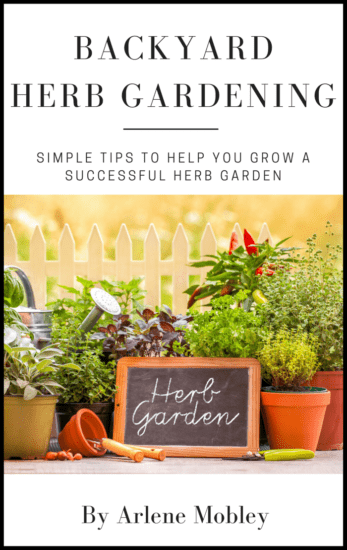
Love gardening and want to plant your own Backyard Herb Garden? I've written an eBook just for you!
Get your copy of the Backyard Herb Gardening: Simple Tips to Help You Grow a Successful Herb Garden on Amazon.
Rachel
I've wanted to start gardening since we have such a great big backyard, but I definitely want to do it organically. I know that that can be difficult thanks to pests, but I'll definitely try your tips. Thanks for sharing!
Arlene Mobley
Rachel
Go for it. Gardening is so rewarding. I'm glad my tips were helpful!
Amy
Organic is the best way to go! I had never really grown a lot at home, just enough for me and the family but this year we made all raised garden beds and I couldn't believe my eyes, we had so much veggies that I started dehydrating and canning just to use it all so there was no waste!
Mark G@the container gardener
I've found that organic gardening is all about learning from my mistakes and looking forward to better things next year - and I love it.
Heirloom Vegetable Seeds for Sale
Love the tips...especially knowing your zone. First time we planted years ago, we bought a bunch a seeds and a third of them couldn't even do well in our zone. Thanks!
James@Natural Health
Organic gardening can be a lot of fun when everything is going right. Unfortunately, I've always had a hard time with gardening. I'm not giving up though.
James@organic vegetable gardening
Dealing with pests early and properly is so important. We just planted our brassicas in the garden, and already see some Cabbage White Butterflies landing on them - not good! Do you know how to deal with them?
Thanks for the great tips!